
It’s not uncommon for homeowners and business owners in the Dallas–Fort Worth area to encounter a **sticky lock** that won’t turn smoothly or gets jammed. This issue may seem minor at first, but it can lead to broken keys, delayed access, or even a complete lockout. Whether you’re dealing with a residential front door in Frisco or managing multiple commercial locks in Plano, understanding the common causes of a **sticky door lock** and how to fix it the right way can save you time, money, and frustration.
Why Door Locks Become Sticky Over Time
**Sticky locks** are usually the result of accumulated grime, worn internal mechanisms, temperature changes, or lack of proper **lubrication**. In Texas, where temperatures rise sharply and humidity levels fluctuate, lock components can expand and contract, causing the internal pins to misalign or stick. Exposure to dust, pollen, or oils from repeated hand use can also restrict the lock’s ability to function correctly.
According to the Associated Locksmiths of America (ALOA), debris and corrosion build-up inside the keyway and cylinder are among the top contributors to lock malfunctions across all lock types. This is especially true for older locks, low-maintenance deadbolts, and doors exposed to outdoor environments.
In residential locks, especially cylindrical knob or lever locks like those from Kwikset or Schlage, accumulated dirt can affect the spring-loaded pins that align with your key’s cuts. For commercial-grade locks, including mortise and keypad systems, mechanical stress and heavy daily use cause faster wear and tear, often making them prematurely sticky or unresponsive.
How to Fix a Sticky Lock Safely
The good news is that most **sticky locks** can be restored to smooth operation with proper troubleshooting and care. Here are some common solutions:
1. Lubrication
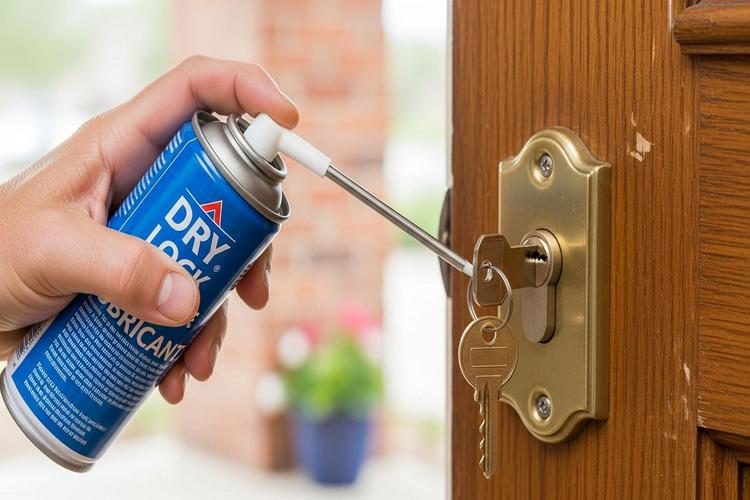
Lubricating the lock is often the quickest and most effective first step. Avoid greases or oils like WD-40, as they can attract more dirt over time. Instead, use a graphite-based powder or a dry Teflon spray designed for lock mechanisms. Insert the nozzle into the keyway, gently spray, then insert and remove the key several times to distribute the lubricant and break up internal debris.
2. Key Inspection
A bent or worn-down key can also cause sticking. Try using a spare key—if it works better, consider copying the spare and discarding the worn one. If neither key works well, a locksmith can inspect and rekey the lock to a new set of pins that matches a fresh key cut.
3. Internal Cleaning
Blow compressed air into the lock cylinder to remove loose dust or dirt. If the lock is open and removable, such as in knob or lever handles, disassemble the lock and clean it with isopropyl alcohol. Make sure all internal parts are dry before reassembly and lubrication.
4. Realignment of Door and Strike Plate
Sometimes the issue isn’t with the lock itself, but how the door aligns with the frame. Frequent slamming, humidity changes, or sagging can prevent the latch from sitting properly in the strike plate, causing unnecessary pressure on the lock. Adjust the hinges or strike plate position as needed to relieve stress on the lock cylinder.
When to Consider Professional Lock Repair or Replacement
If these DIY solutions don’t yield results, it may be time to call a licensed locksmith for help. We’re fully authorized under the Texas Department of Public Safety (DPS) to provide inspection, rekeying, and **lock repair** services that adhere to state safety guidelines. Continued use of a faulty or **sticky lock** may result in a broken key, jammed cylinder, or total lock failure at the worst possible time.
In some cases—for example, if a lock has extensive internal damage, rust, or outdated security features—a complete replacement may be more cost-effective than ongoing fixes. We typically recommend this option when working with customers in Frisco, McKinney, and other fast-growing North Texas communities where home upgrades are on the rise and security standards continue to evolve.
Here’s a quick comparison to help determine the best approach:
| Option | Best For | Cost Range (DFW Estimate) |
|---|---|---|
| Lubrication | Minor sticking due to dust or weather | $0–$15 (DIY) |
| Rekeying | Worn keys or mild internal damage | $50–$120 per lock |
| Lock Repair | Fixing worn springs or pins | $85–$150 |
| Lock Replacement | Outdated, damaged, or high-use locks | $120–$400 per lock |
Reach out for a full lock repair evaluation if sticking continues after basic troubleshooting. Some locksmith companies, like ours, offer full diagnostics and can quickly identify if the issue lies in the key, cylinder, strike alignment, or lock assembly itself.
Preventing Future Lock Sticking Problems
Once your **sticky lock** is resolved, consider these tips to help prevent it from happening again:
• Use the correct lubricant at least once a year, especially before and after periods of heavy rain, high pollen, or extreme temperatures in DFW counties.
• Clean your keys regularly and avoid using them as pry tools, screwdrivers, or bottle openers, which can distort the blade and damage the cylinder.
• Upgrade to smart locks or high-grade hardware from trusted brands like Yale, Medeco, or Schlage if you’re frequently having issues with worn mechanical locks. Smart locks eliminate the need for physical keys, reducing wear on internal lock parts.
• Schedule periodic maintenance as part of your home security routine, especially for homes with multiple entry points or rental units with frequent tenant changeovers. Regular lock inspections can catch signs of wear before failure occurs.
“Sticky locks are a symptom, not the problem. Ignoring them only masks a larger issue. For long-term security, repair or replace any lock that’s showing mechanical stress.”
– Associated Locksmiths of America
**Sticky locks** are more than a nuisance—they can put your safety and access at risk. If simple **lubrication** doesn’t fix the issue, a trusted **locksmith service** can perform a proper diagnosis and permanent repair. For homeowners and property managers in the Frisco and greater DFW area, we offer professional solutions tailored to the needs of North Texas properties.